AC and Heat Pump Replacement in Lakeland
A new air conditioner, heat pump or air handler sized to your home, with a written quote, the permit and the old unit hauled away.
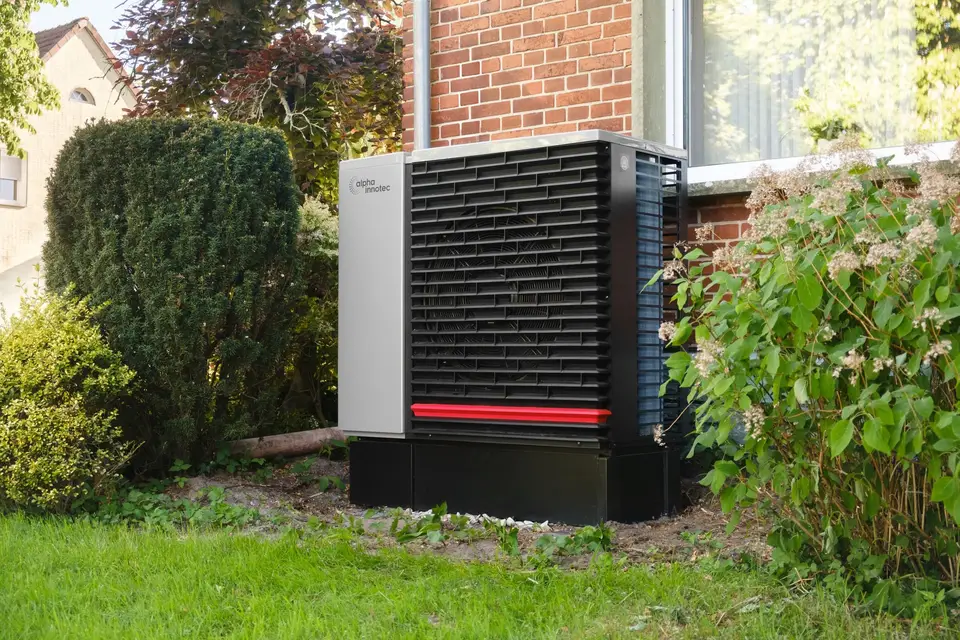
AC and heat pump replacement in Lakeland usually comes up for one of three reasons: the system is well past 12 or 15 years old, a major part like the compressor has failed, or the repairs have started coming every season. Whatever the reason, the decision is a big one, so we give you the numbers you need to make it yourself rather than a sales pitch.
Repair or replace
We never start with replacement. On every call the tech prices the repair first. When replacement is worth considering, you get both prices on the same page, with the age and condition of the system and our honest view. A common rule of thumb is that a repair costing a large share of a new system, on equipment near the end of its life, is money better put toward the new one. Systems that still run on R-22 refrigerant, which is no longer made, almost always fall into that group.
Sizing the new system to the house
The new system is sized from the house, not from the label on the old unit. The old one may have been the wrong size from the start, and the house may have changed since: new windows, more insulation, a room added or closed off. We measure the rooms, look at the windows, the insulation and the direction the house faces, and work out how much cooling and heating it needs.
Getting the size right matters more in Florida than almost anywhere. A system that is too big cools quickly and shuts off before it pulls the moisture out of the air, and a humid house at 75 degrees feels worse than a dry one at 78. A system that is too small runs nonstop on the hottest afternoons.
What the written quote shows
You get a written quote that puts each part of the job on its own line: the outdoor unit, the indoor air handler or coil, the thermostat, any duct changes, the labor, the permit and the removal of the old equipment. Where it makes sense we quote two or three options at different efficiency levels, with the SEER2 rating and the likely running cost of each, so you can compare them with any other quote line for line.
Monthly payment options are available on new systems. Ask about them when you get the quote.
Permit, installation and inspection
Florida requires a permit to replace heating and cooling equipment. We pull it with the building department that covers your address, whether that is the City of Lakeland, Winter Haven, Plant City, Polk County or Hillsborough County, and book the inspection.
On installation day the crew protects the floors, recovers the refrigerant from the old system as federal law requires, and removes the old units. The new outdoor unit goes on a level pad, the indoor unit is connected to the existing ducts or new ones where needed, and the line set and the condensate drain are run properly. Before leaving, the crew starts the system, checks the refrigerant charge, the airflow and the temperature at the vents, and shows you the thermostat.
Heat pumps, mini-splits and furnaces
Most homes in Polk County are best served by a heat pump, which cools all summer and heats efficiently on most winter nights, with heat strips as backup. For a room with no ductwork, like a converted garage or an addition, a ductless mini-split heats and cools on its own. Homes with gas often keep a gas furnace for heat paired with a new air conditioner, and we quote that option too when it makes sense.
After the install
A new system comes with the maker’s parts warranty, which we register for you where registration is required. The first tune-up a year later keeps it in good standing. If you would rather keep your current system going a while longer, our AC repair page explains what a repair visit covers.
We replace systems throughout Lakeland, Winter Haven and Plant City. Our guide to what an AC service call costs explains how pricing works on the smaller jobs too.
Where we work
- System replacement in Lakeland, FLFrom the older bungalows around Lake Morton to the newer subdivisions off the Polk Parkway, we repair, tune up and replace heating and cooling systems across the city.
- System replacement in Winter Haven, FLLakefront homes and long humid summers around the Chain of Lakes keep air conditioners running hard, so we check the drain line and the coils on every visit.
- System replacement in Plant City, FLRanch homes, older duct runs in hot attics and summer storms that knock the power out and strain the compressor when it comes back on.
Guides
- Repair or Replace Your AC in Lakeland? How to DecideRepair or replace your AC in Lakeland? How age, repair cost, refrigerant type, efficiency and the Florida climate decide whether a fix or a new system makes sense.
- Choosing an HVAC Company in Lakeland: What to AskChoosing an HVAC company in Lakeland? Check the license, ask how the price is set, and see what a good quote and a good install look like before you sign.
Questions about system replacement
How long does a replacement take?
Most like-for-like replacements of an outdoor unit and air handler take one day. Changing the location of the equipment, adding ductwork or switching from a gas furnace to a heat pump can add a day. The inspection by the building department follows within a few days.
Should I replace the indoor and outdoor units together?
In most cases, yes. The two halves of a split system are designed and rated as a matched pair, and a new outdoor unit on an old indoor coil often runs below its rated efficiency and can void parts of the warranty. We explain the exceptions if your indoor unit is fairly new.
What is SEER2?
SEER2 is the efficiency rating for air conditioners and heat pumps, and it replaced the older SEER scale in 2023, when the federal minimum for new systems in the Southeast also went up. A higher number means less electricity for the same cooling. We show you the rating and the likely running cost of each option.
Do I need a bigger system if the house is hard to cool?
Usually not. A system that is too big cools fast, shuts off before it dries the air and leaves the house cold and clammy. Hard-to-cool rooms are more often a duct, insulation or airflow problem, which we look at before sizing anything.