Heating Repair in Lakeland, FL
Heat pumps blowing cold, furnaces that won't light and strip heat that never shuts off, diagnosed and repaired with a written price first.
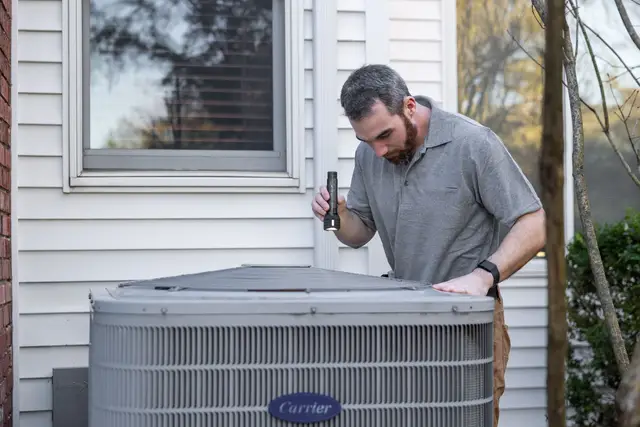
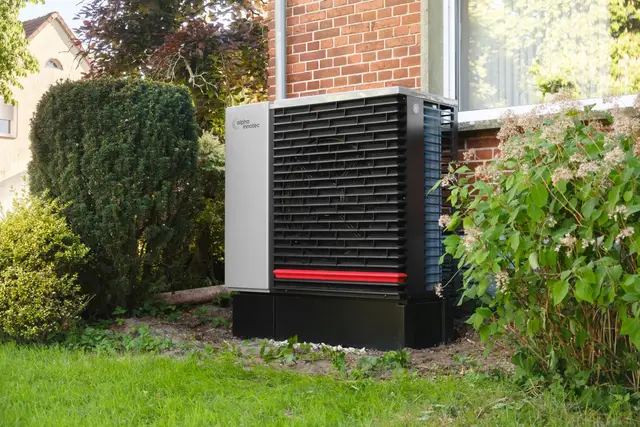
Heating repair in Lakeland is a short season with a lot of calls packed into it. Most homes in Polk County heat with a heat pump, the same outdoor unit that cools in summer running in reverse, with electric heat strips in the air handler as backup. Some older homes still have a gas furnace. Either way the heat sits unused for most of the year, which is why so many systems fail on the first cold night in December or January.
What usually fails on a heat pump
- Defrost controls. In cold, damp weather the outdoor coil frosts over, and the defrost control is supposed to clear it. When the sensor or the board fails, the coil ices up and the house gets cooler while the heat strips run all day.
- Reversing valves. This valve switches the heat pump between cooling and heating. One that sticks after a summer in cooling mode leaves you with cool air when you asked for heat.
- Heat strips and their relays. A burned-out element or a failed relay means no backup heat on the coldest mornings, when the heat pump needs help.
- Thermostats. A heat pump thermostat has to know when to bring the strips in. One set up wrong can run the strips far more than needed, and the power bill shows it.
- Low refrigerant. A heat pump moves heat with the same refrigerant it uses for cooling, so a leak that was slowly hurting the cooling shows up fast in the heating.
What usually fails on a gas furnace
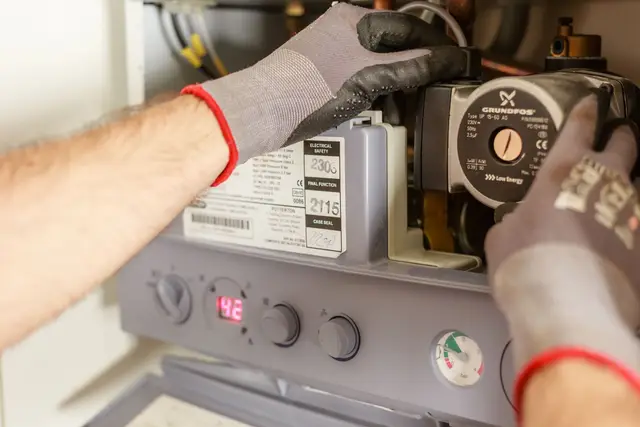
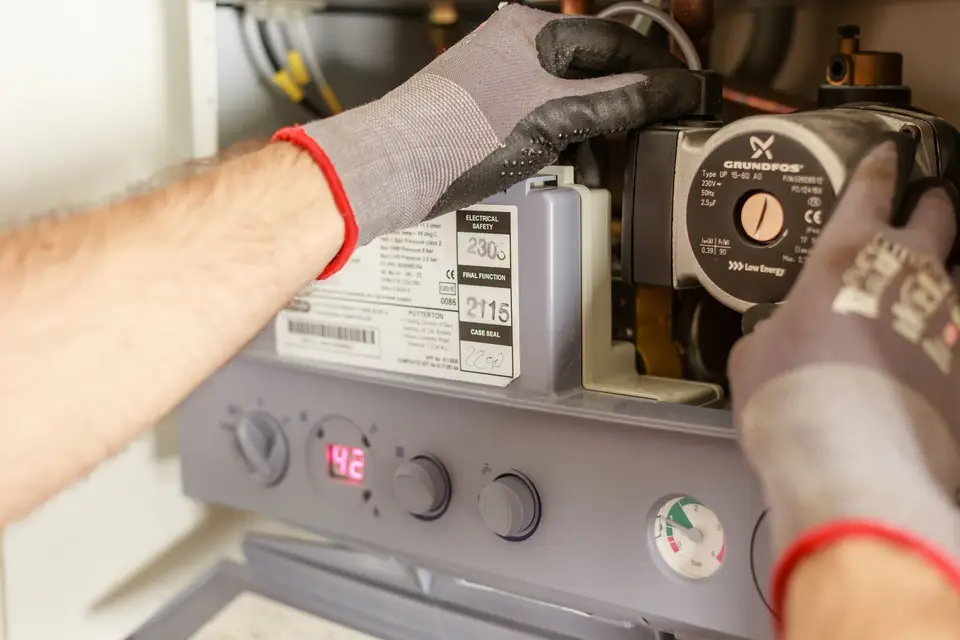
On gas furnaces the usual causes are a cracked hot surface igniter, a dirty flame sensor that makes the burners shut off after a few seconds, a pressure switch or inducer motor that stops the furnace from starting, and a clogged filter that overheats it. Each of these is a common, fairly modest repair. Because gas is involved, every furnace repair also includes a check of the venting, the burner flame and carbon monoxide near the unit.
How a heating repair visit goes
The tech starts by asking what the system did and when: blowing cold from the start, warm then cold, or not starting at all. Then the tech checks the thermostat settings, the heat pump in heating mode, the defrost cycle, the strips and their breakers, or on a furnace the ignition sequence from start to flame. You hear what failed in plain words and get the repair price in writing before any work starts.
Most heating parts are on the van, so an igniter, flame sensor, defrost sensor, relay or capacitor is usually replaced the same visit. If a reversing valve or a control board has to be ordered, you hear how long it will take, and where we can, we leave the system running on backup heat in the meantime.
Safety comes first with heat
Heat strips draw a lot of power, and gas furnaces burn fuel in your home, so the checks after a heating repair go further than after a cooling one. The tech tests the safety limits that shut the system off if it overheats, makes sure the strips cycle on and off as they should, and on a furnace checks that the flame is steady and the exhaust leaves the house. If we find something unsafe, such as a cracked heat exchanger or a blocked vent, we explain it, show you and leave the furnace off until it is fixed.
Repair or replace on the heating side
A heat pump that has heated poorly for two winters and cooled poorly for two summers is often near the end of its life. When the repair is a large share of the cost of a new system, you get both prices on the same page. Our system replacement page explains how we size a new heat pump to the house. For an older gas furnace, we tell you honestly how many years it likely has left.
Avoiding the first-cold-night call
The easiest way to skip the rush is a fall heating check, part of our tune-ups and maintenance plans. The tech runs the heat pump in heating mode, tests the defrost cycle and the strips, or cleans and checks the furnace, before you need it. If the heat goes out at night anyway, our emergency repair service covers it with the rate told to you first.
We repair heat pumps and furnaces throughout Lakeland, Winter Haven and Plant City.
Where we work
- Heating repair in Lakeland, FLFrom the older bungalows around Lake Morton to the newer subdivisions off the Polk Parkway, we repair, tune up and replace heating and cooling systems across the city.
- Heating repair in Winter Haven, FLLakefront homes and long humid summers around the Chain of Lakes keep air conditioners running hard, so we check the drain line and the coils on every visit.
- Heating repair in Plant City, FLRanch homes, older duct runs in hot attics and summer storms that knock the power out and strain the compressor when it comes back on.
Questions about heating repair
Why does my heating only fail on the first cold night?
Because it has sat unused since the spring. Dust settles on the heat strips and the furnace burners, a flame sensor coats over, and a reversing valve that has not switched in months can stick. A fall heating check finds most of these before the cold front does.
Is a burning smell normal when the heat first comes on?
A light dusty smell for the first few minutes of the season is common, as dust burns off the heat strips or the burners. A smell that lasts, smells like melting plastic or wiring, or comes with smoke is not normal. Turn the system off at the breaker and call.
Do you check for carbon monoxide on gas furnaces?
Yes. On every gas furnace repair the tech checks the flue and venting, the burner flame and the heat exchanger area, and tests for carbon monoxide near the furnace. Every home with a gas appliance should also have working carbon monoxide alarms.
Can I just run the heat strips if my heat pump fails?
Many thermostats have an emergency heat setting that runs the strips alone, and it will keep the house warm for a night. It costs a lot more to run, so book a call rather than living on it for weeks.